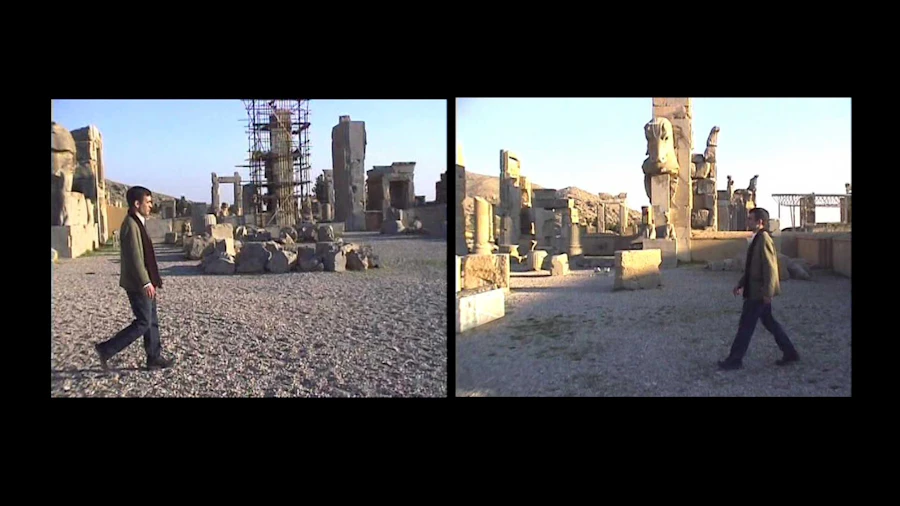
Sadegh Tirafkan
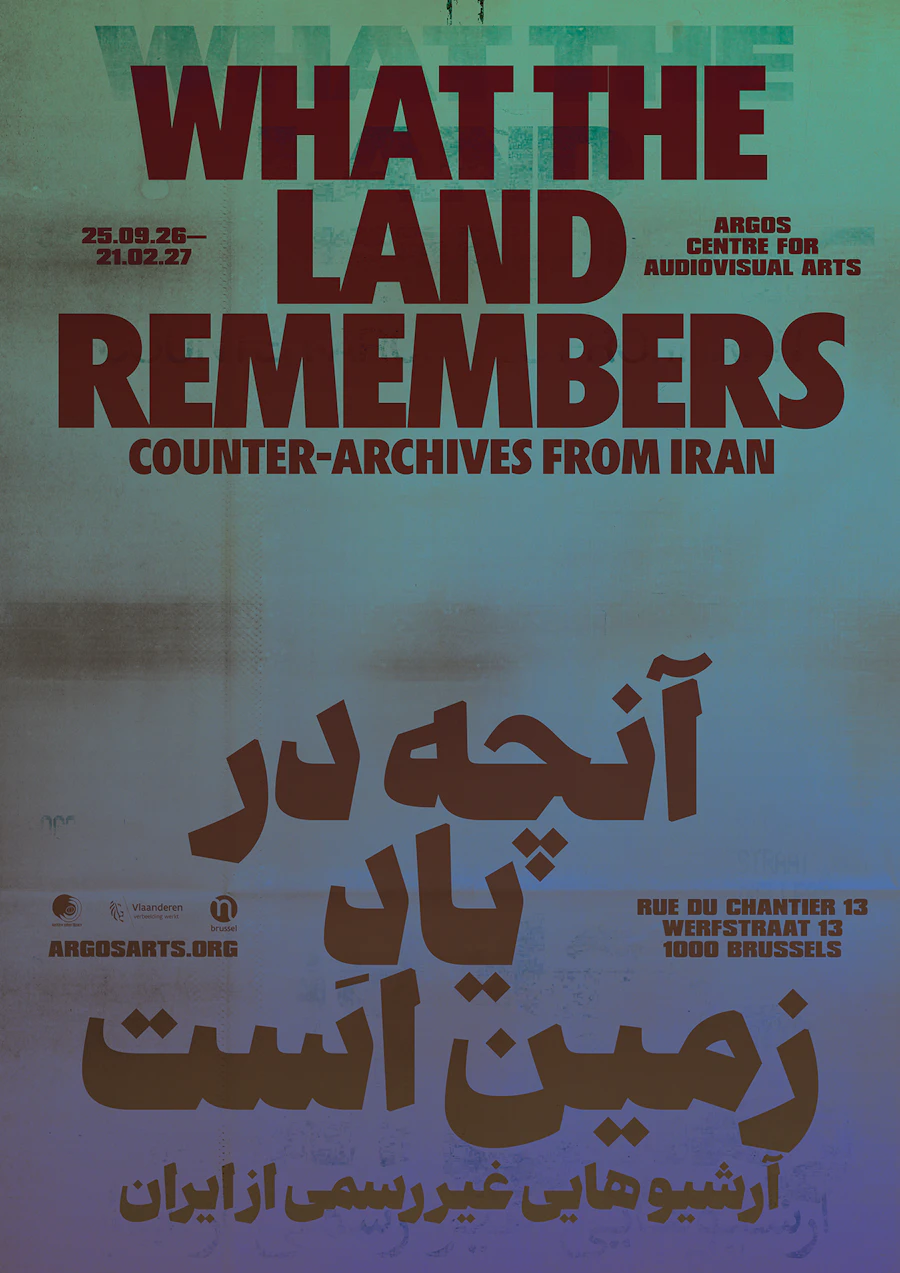
Design by d-e-a-l
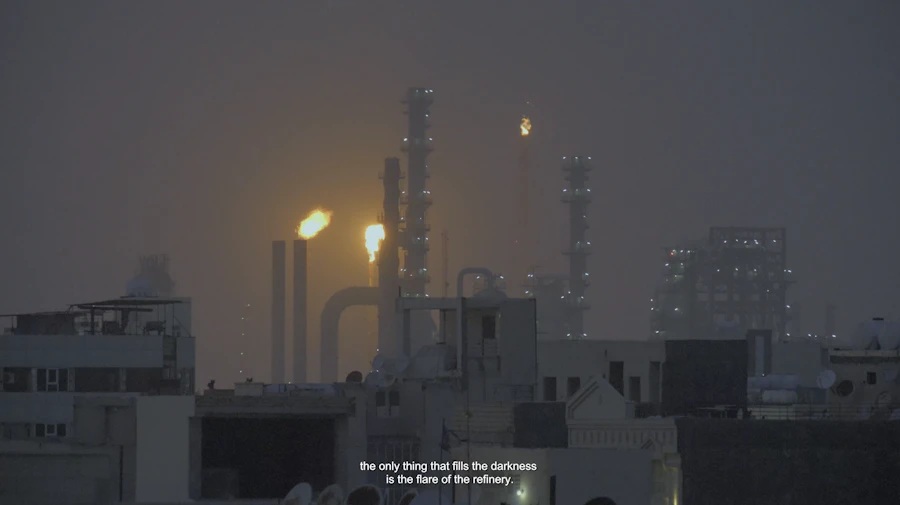
Anahita Norouzi
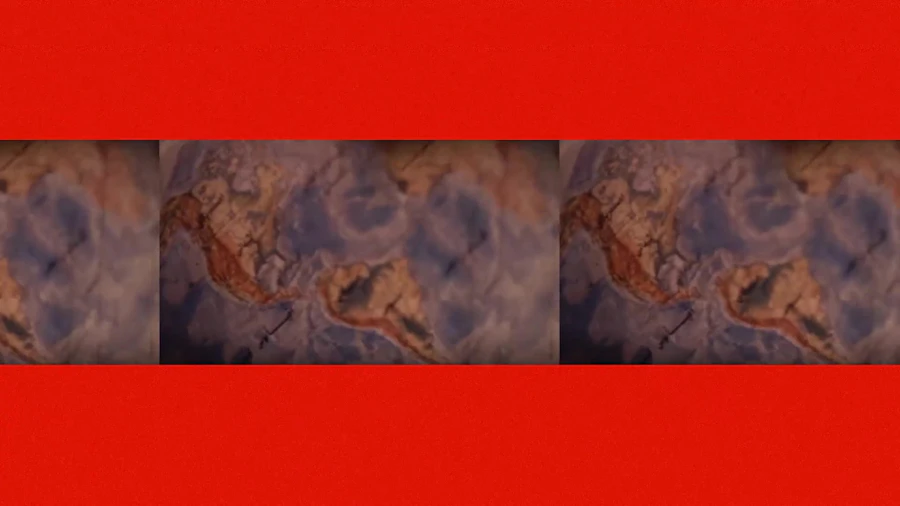
Minoo Iranpour
In times of repression, recording becomes an act of defiance. At a moment when war is waged over Iran and communication with the country is constantly under threat, the need to preserve history grows more urgent. This exhibition, two years in the making, feels more important now than ever. With institutionalized terror, internet blackouts, bombings and the destruction of archives, every image becomes a lifeline: a witness, a storyteller and a guardian of collective memory. What the Land Remembers shows how moving images can defy official narratives and protect the stories that political powers try to erase. At its heart lies the Parking Video Library, an independent counter-archive founded in Tehran in 2004 by artist and curator Amirali Ghasemi. For over two decades, it has safeguarded a...
In times of repression, recording becomes an act of defiance. At a moment when war is waged over Iran and communication with the country is constantly under threat, the need to preserve history grows more urgent. This exhibition, two years in the making, feels more important now than ever. With institutionalized terror, internet blackouts, bombings and the destruction of archives, every image becomes a lifeline: a witness, a storyteller and a guardian of collective memory. What the Land Remembers shows how moving images can defy official narratives and protect the stories that political powers try to erase. At its heart lies the Parking Video Library, an independent counter-archive founded in Tehran in 2004 by artist and curator Amirali Ghasemi. For over two decades, it has safeguarded a fragile yet essential collection of Iranian and transnational films: documentaries, experimental works and personal recordings. Created under censorship, risk and scarcity, it remains to this day a rare space for education, preservation and community-building in a country with little institutional support for experimental media. The exhibition features rarely seen installations, rediscovered tapes, experimental films as well as early digital works that emerged during Iran’s transition from analog to digital. Through two thematic constellations, it traces the evolution of Iranian artistic production from the 1990s to the present day. Revisit — Early Encounters restages early experiments in their original form, shaped by the aftermath of war and limited cultural infrastructures. They bear witness to the resilience of artists working outside official frameworks. Southwest, on the other hand, highlights contemporary works that focus on Iran’s oil-rich southwestern region. They reveal the ecological and geopolitical impacts of extraction, war and colonialism. By presenting these works outside of Iran, the exhibition reimagines the archive as an active space for circulation, transmission and sharing. In a time when cultural memory is under threat, displaying these works is an act of preservation, public testimony and resistance. Join us in exploring how the camera and the archive can become powerful tools against erasure.Opening Hours
| Monday | Closed |
| Tuesday | Closed |
| Wednesday | Closed |
| Thursday | 11:00 - 18:00 |
| Friday | 11:00 - 18:00 |
| Saturday | 11:00 - 18:00 |
| Sunday | 11:00 - 18:00 |